
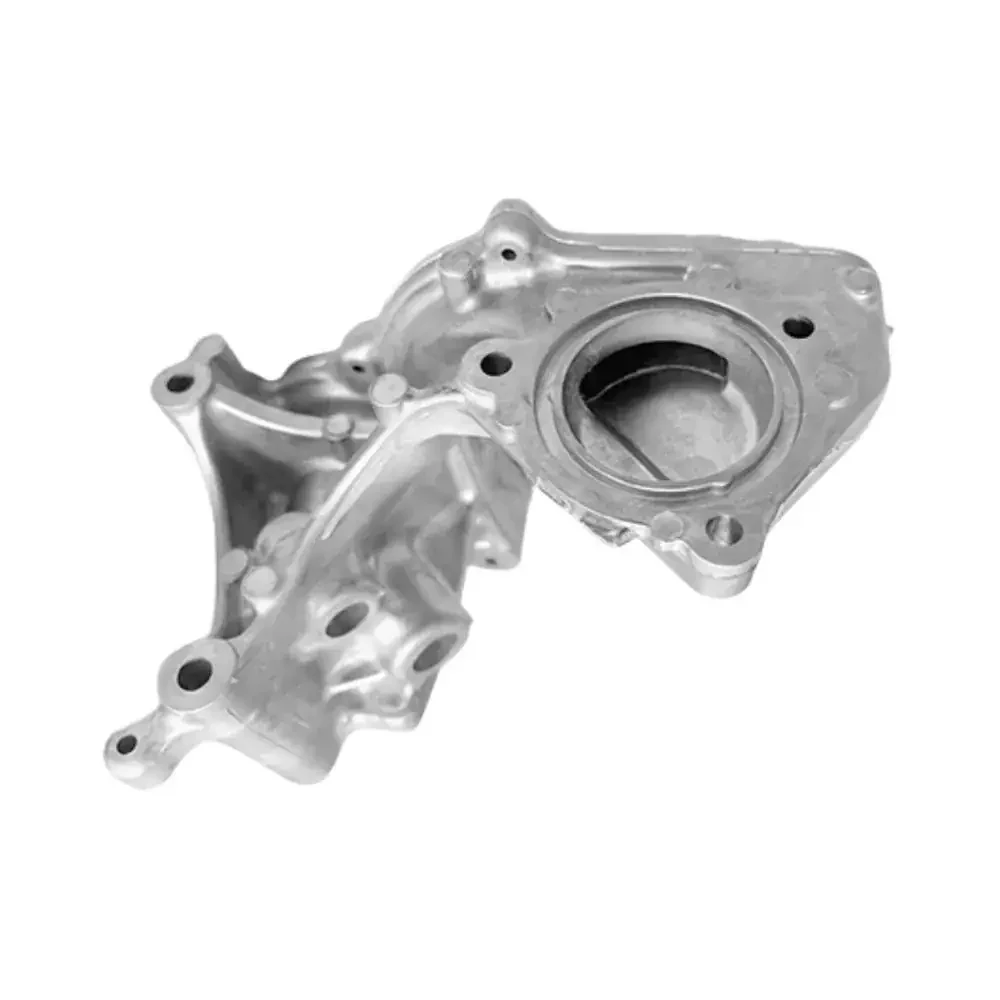
QUALITY & VALIDATION · Diecasting Mold ENGINEERING RESOURCES
Separate appearance from internal integrity
A clean external surface does not, by itself, establish the internal condition of a casting. Conversely, not every internal indication has the same significance for the finished part. Identify the regions that matter for sealing, strength, machining and assembly before choosing an inspection method.
Identify the critical regions on the drawing
Mark sealing interfaces, thin sections, heavily machined regions and other features that require specific acceptance criteria. If internal inspection is required, specify the method, sampling plan, locations and permitted indications. A generic request for a defect-free part does not provide a repeatable inspection decision.
Define a useful leak-test requirement
A leak-test specification needs the test medium, pressure or vacuum, stabilization and test duration, acceptance limit and any temperature or fixture conditions. These details determine what the result means. Testing a bare housing and testing an assembled product may answer different questions, so agree the test condition with the responsible engineering team.
Review machining and additional processing
Machining may expose conditions below the original surface. Discuss the critical interfaces before the tool is finalized, then agree any additional processing and retesting that the component needs. Sample approval should connect dimensional results, surface condition and the defined functional tests rather than treating any one report as a substitute for the others.
Have a component in mind? Send your current model, drawing and requirements to [email protected] for a project discussion.
Back to Resources